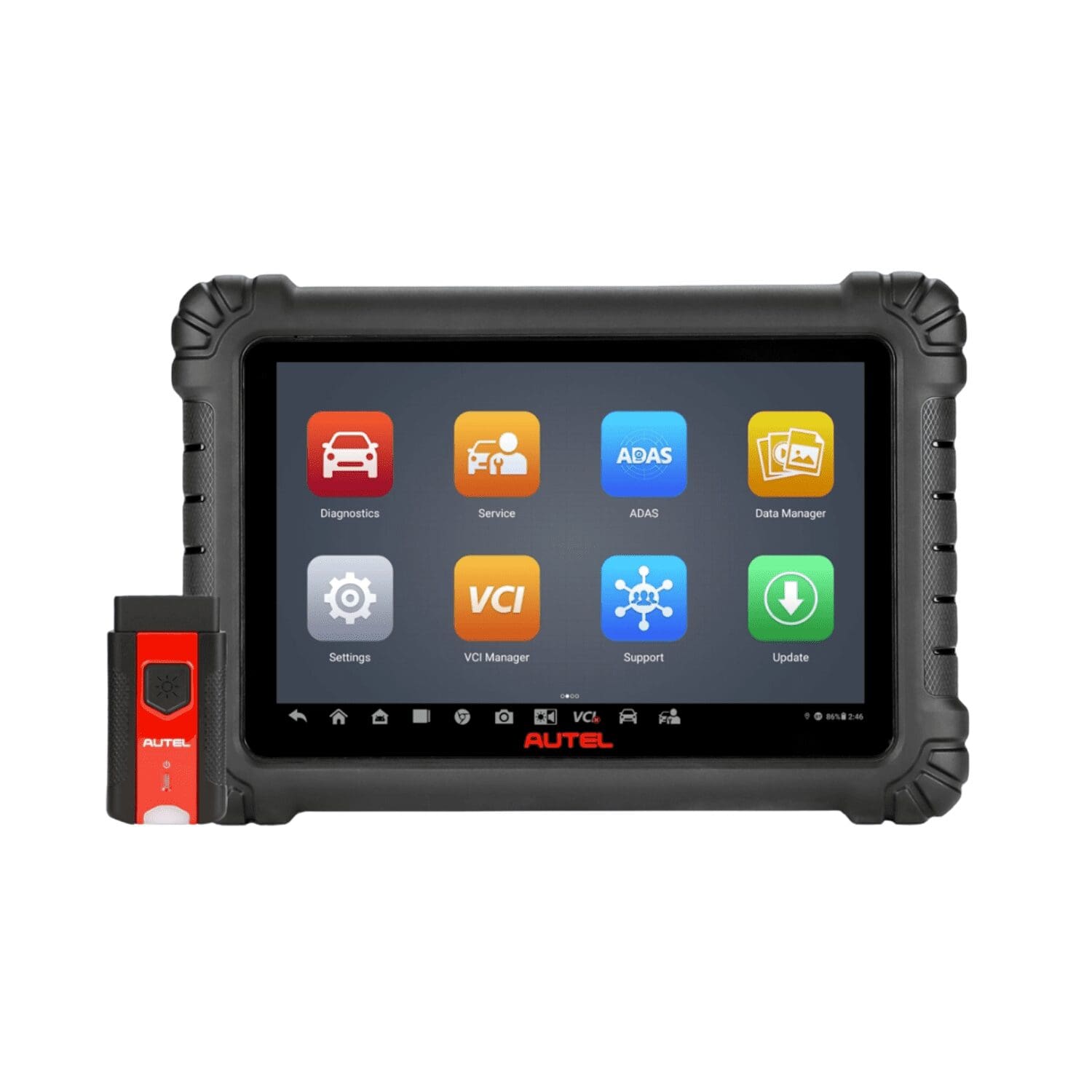
Frequently Asked Questions About the Autel MaxiScope MP608
Can the MP608 help diagnose intermittent faults?
Yes. Advanced triggering helps capture faults that are difficult to reproduce during normal testing.
Does the MP608 support serial bus decoding?
Yes. The MP608 supports serial bus decoding for multiple protocols, including CAN, CAN FD, LIN, FlexRay, UART, and I²C.
How many channels does the Autel MaxiScope MP608 have?
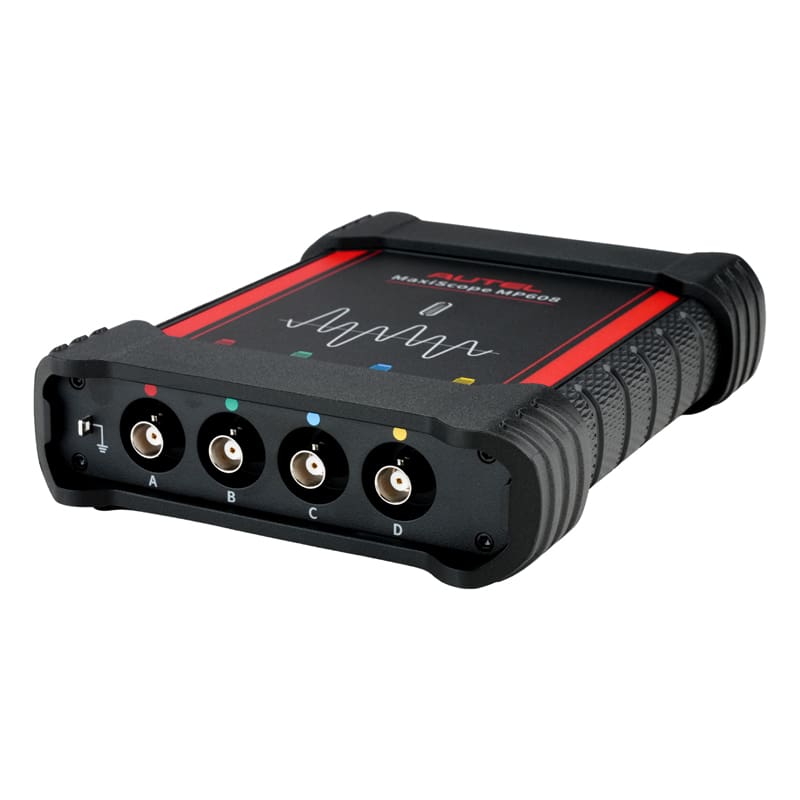
The MP608 features four independent channels, allowing technicians to compare multiple signals simultaneously during advanced diagnostic testing.
Can the MP608 test ignition systems?
Yes. The MP608 can analyze ignition waveforms to help diagnose issues related to coils, spark plugs, ignition timing, and overall ignition system performance.
Is the Autel MaxiScope MP608 suitable for professional repair shops?
Yes. The MP608 is designed for professional technicians and repair facilities that perform advanced electrical, electronic, and drivability diagnostics.
Can the MP608 test sensors and actuators?
Yes. It can capture and analyze waveform data from a wide range of sensors and actuators to verify proper operation and identify faults.
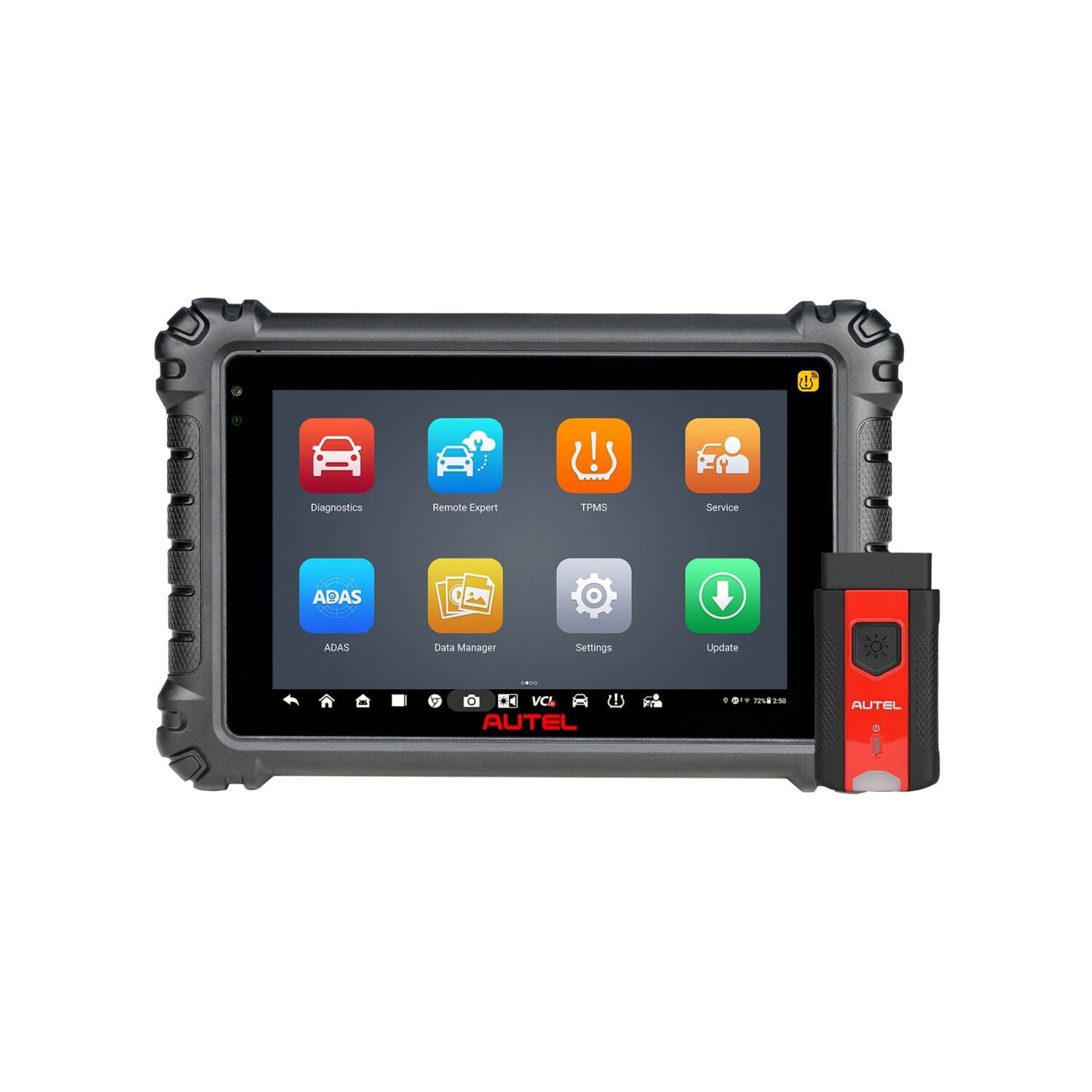
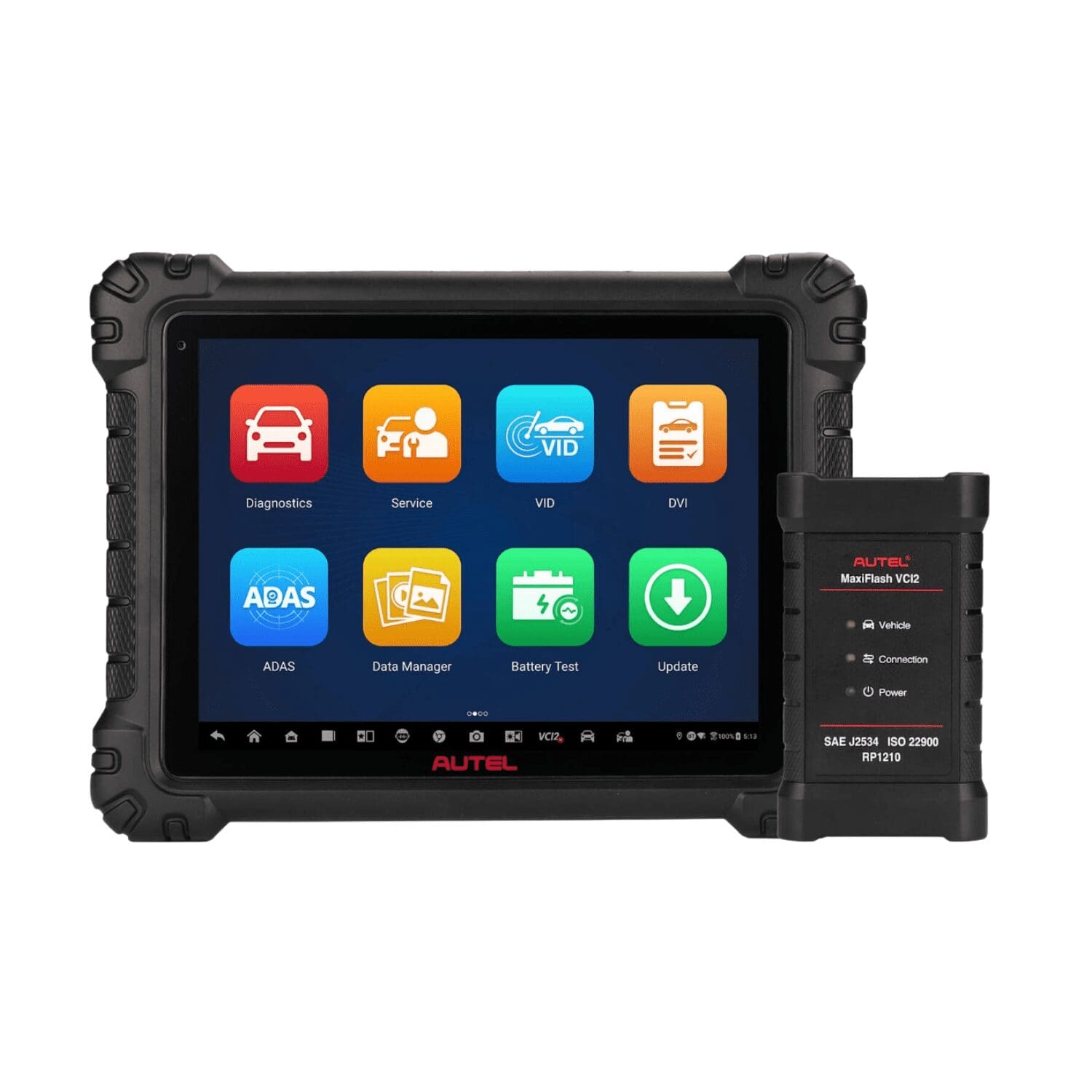
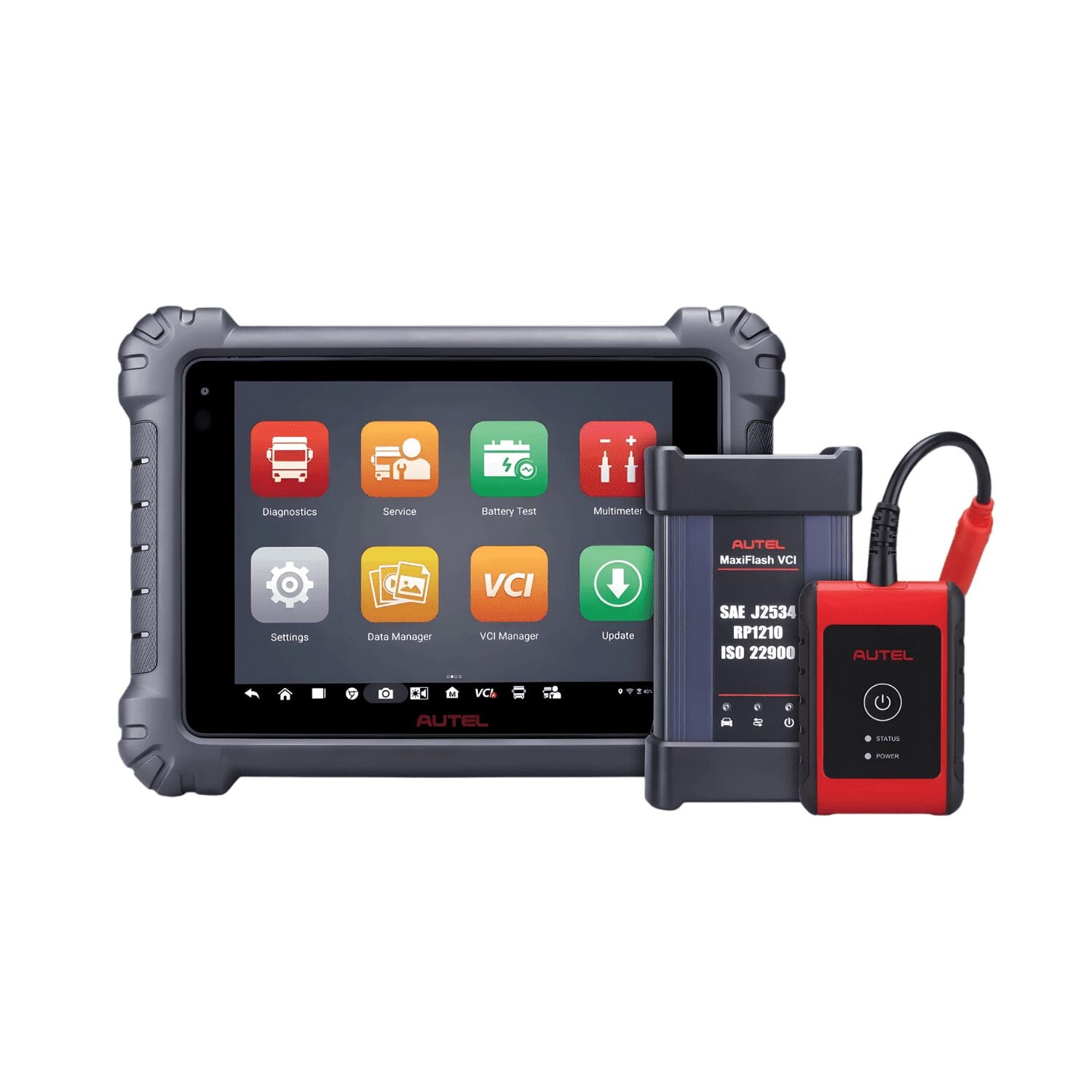
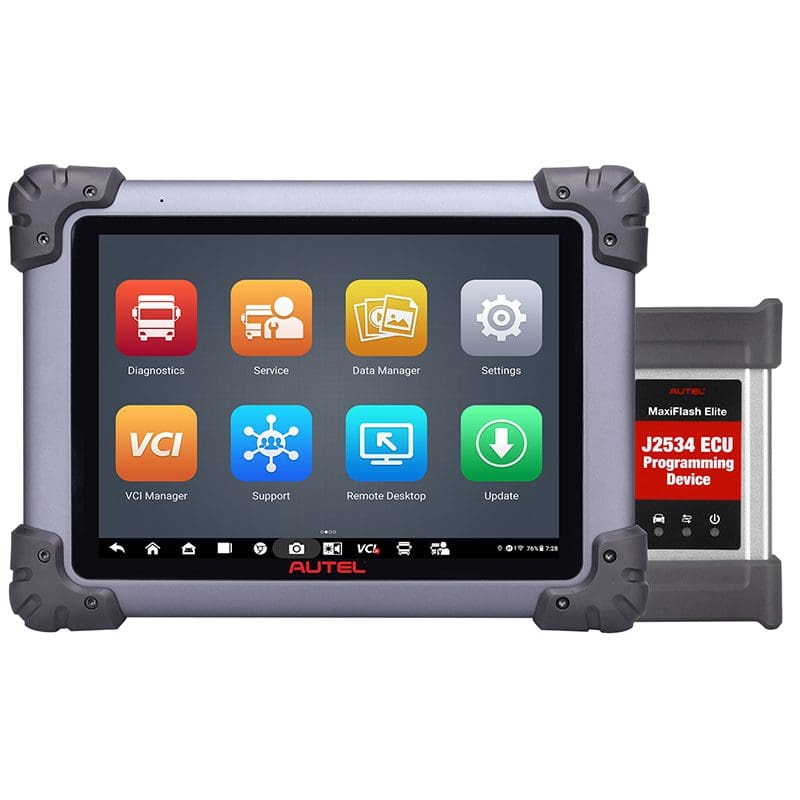
Does the MP608 require an Autel MaxiSYS tablet?
No. The MP608 works with compatible Autel MaxiSYS tablets and can also be used with supported Windows PCs.
Can the MP608 diagnose CAN bus communication issues?
Yes. With serial bus decoding support for CAN, CAN FD, LIN, FlexRay, UART, and I²C, the MP608 helps diagnose communication and network-related faults.
Why use an oscilloscope instead of a multimeter?
An oscilloscope displays live electrical waveforms, allowing technicians to identify intermittent faults, signal distortion, timing issues, and communication problems that may not be visible with a standard multimeter.
Is the Autel MaxiScope MP608 intended for DIY users?
The MP608 is primarily designed for professional automotive technicians and experienced diagnostic specialists who require advanced waveform analysis and electrical troubleshooting capabilities.